What to Expect During a Health Assessment with a Mackay Doctor
A regular health assessment is one of the most effective ways to keep track of your wellbeing and spot potential health issues before they become more serious. Many people in Mackay book a check-up with a local doctor to support both physical and mental health. Yet, it is common to feel unsure about what will happen during the appointment. Understanding the typical steps taken by doctors in Mackay during a health assessment can help you approach your next visit with more confidence and less uncertainty.
Getting Started: Medical History & Your Daily Routine
The assessment usually begins with a relaxed conversation about your health background, habits and any issues you may be experiencing. Your doctor will ask questions to build a detailed picture of your current situation and past medical history. This information is used to guide the rest of the assessment and to personalise the advice and care you receive.
During this first stage, you can expect to:
- List your current medications, vitamins or supplements, including their doses and how often you take them.
- Describe any allergies or reactions you have had to medicines, foods or environmental factors.
- Share details about your lifestyle, such as your daily activity level, diet, sleep routine, use of tobacco, alcohol or recreational substances.
Having these details ready helps make this part of the assessment smooth and thorough. It is also a good time to mention any family medical history that might be relevant, such as heart disease, diabetes or certain types of cancer, since these factors can influence your own health risks.
Routine Measurements & Vital Signs
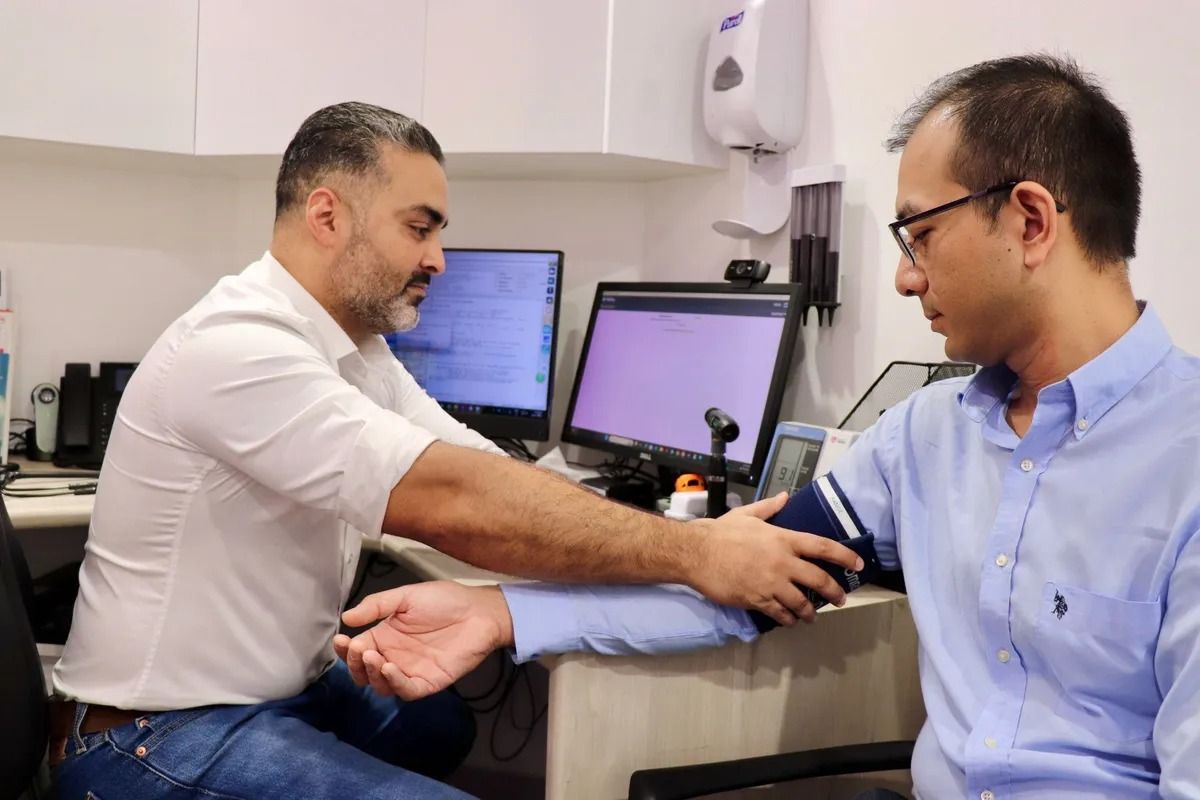
Routine measurements are a core part of every health assessment. These checks provide important data that help your doctor track changes in your health over time. Even if you feel well, these measurements can reveal underlying issues that might not yet be causing symptoms.
You can expect your doctor or nurse to:
- Take your height and weight to calculate your body mass index (BMI) and look for changes since your last visit.
- Measure your blood pressure and pulse, which are key indicators of heart health and circulation.
- Check your temperature, particularly if you have reported any recent illnesses or infections.
Other measurements, such as waist circumference or oxygen saturation, might be included depending on your health profile. Recording these details forms the baseline for future appointments and helps to detect trends that could need attention.
Physical Examination: A Thorough but Respectful Process
A physical examination is typically conducted to check for any signs of illness or conditions that may not be obvious from conversation alone. This examination is always performed respectfully and can be tailored to your age, concerns and overall health.
Physical examinations often include:
- Looking at your skin, eyes, ears, nose and throat for visible signs of health issues or infection.
- Listening to your heart and lungs using a stethoscope to check for any unusual rhythms, sounds or breathing patterns.
- Feeling your abdomen, checking your joints, assessing your muscles or performing a neurological check if there are relevant symptoms.
You might also be asked about recent changes such as weight loss, night sweats, swelling or discomfort in particular areas. These checks are designed to catch early signs of common issues and to give you a sense of reassurance about your health status.
Screenings & Preventive Health Checks
Health assessments can include a variety of screening tests, depending on your age, gender, lifestyle and family history. Screening tests help to catch problems early, before symptoms develop.
Screening and preventive checks may include:
- Blood tests to assess cholesterol, blood sugar, kidney and liver function, as well as general markers of health.
- Urine tests to check for signs of infection, kidney problems or diabetes.
- Screenings such as mammograms, prostate checks, bowel cancer screening or skin checks, based on your personal risk factors and medical guidelines.
If you are due for routine immunisations, these might be reviewed or administered during your visit as well. Screening is about prevention and early detection, which can make treatment and management much simpler.
Discussing Mental Health & Emotional Wellbeing
Mental health plays a vital role in your overall wellbeing. Many health assessments include some questions about your mood, energy levels and ability to manage stress as part of a holistic approach. This is especially important given the impact that mental health has on physical health and daily life.
A mental health conversation may involve:
- Asking how you have been feeling emotionally and mentally over recent weeks or months.
- Discussing your sleep quality, motivation, concentration and social support.
- Providing information about local resources, support groups or counselling options if you mention stress, low mood or anxiety.
This part of the assessment is confidential and provides a safe space to discuss anything that might be affecting your daily life or wellbeing.
Lifestyle Guidance & Preventive Advice
Health assessments are not only about detecting problems, but also about supporting you in making healthy choices and preventing illness in the future. Your doctor may provide practical, evidence-based advice tailored to your needs and goals.
Lifestyle advice might cover:
- Ways to improve your nutrition and eating habits, such as increasing fruit and vegetable intake or reducing salt and processed foods.
- Encouragement to stay active with recommendations for exercise suited to your age and fitness level.
- Suggestions for improving sleep hygiene, managing stress, or cutting down on smoking or alcohol if needed.
You may also be given printed information, access to support services or suggestions for small, manageable changes to help you feel your best.
Questions, Clarifications & Next Steps
A health assessment is a great opportunity to ask questions about your health, results, treatment options or anything else on your mind. Open dialogue is encouraged, so you feel heard and supported throughout your visit.
In this part of your appointment, you can:
- Raise concerns about ongoing symptoms, recent changes or family health risks.
- Clarify instructions about prescribed medications, referrals or follow-up steps.
- Discuss a plan for ongoing care, including when to book your next check-up or which test results to watch for.
Bringing a written list of questions or symptoms can help you remember what you wanted to discuss and make the most of your time with the doctor.
Plan for Ongoing Health & Wellbeing
Booking a routine check-up at One Stop Medical is a positive step towards managing your overall wellbeing. Regular health assessments give you the opportunity to monitor your physical and mental health, address any concerns early and receive guidance from local doctors in Mackay. If you would like to learn more about what happens during an assessment, or are ready to book your next visit, consider reaching out to One Stop Medical.